All Cocktails
Angel Face
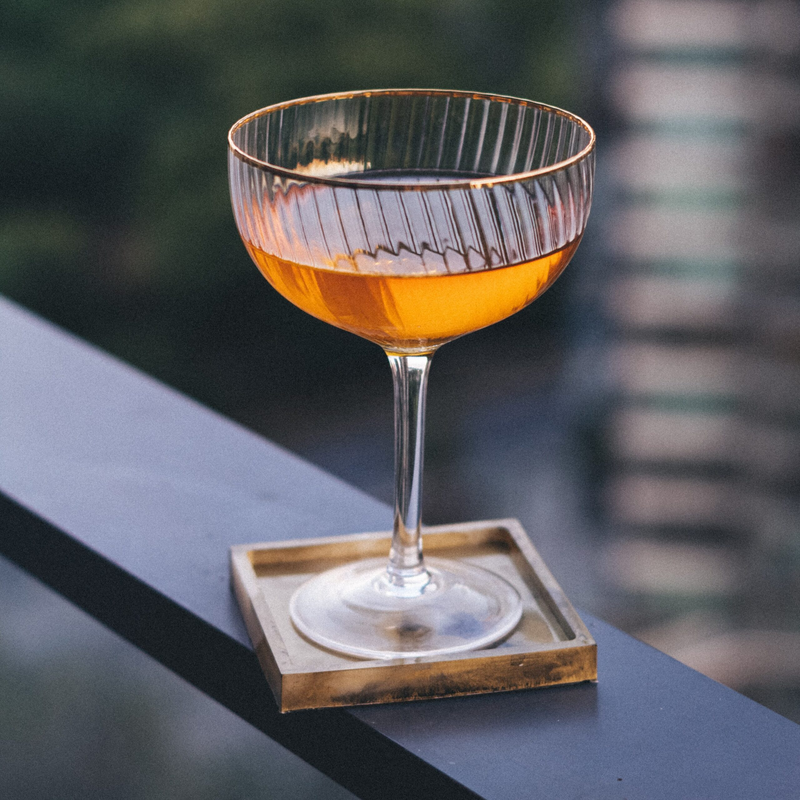
The Angel Face is a smooth and fruity cocktail with a perfect blend of gin, Calvados, and apricot brandy. This spirit-forward drink offers a rich combination of botanicals, apple, and stone fruit flavors. First documented in the 1930s, it is a classic from the Prohibition-era cocktail scene. The gin provides a crisp base, while the Calvados adds depth and a gentle apple sweetness. Apricot brandy ties everything together with a luscious, slightly tart undertone. It is typically shaken with ice and served straight up in a chilled cocktail glass. A well-balanced drink, the Angel Face is perfect for those who appreciate vintage cocktails with a strong character. Its bold yet harmonious flavor profile makes it a timeless choice for cocktail lovers.
Aviation
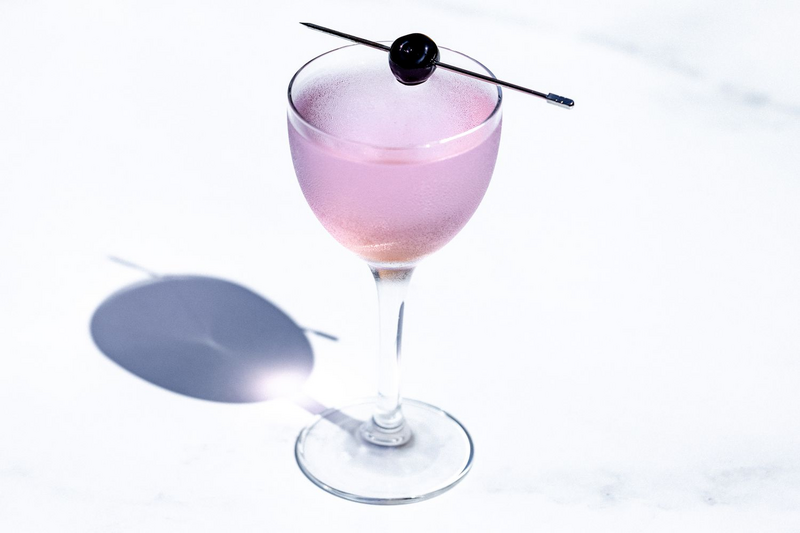
The Aviation is a classic cocktail with a delicate floral aroma and a vibrant, slightly tart taste. Its pale purple hue comes from the Crème de Violette, which adds a subtle floral sweetness. The combination of gin, maraschino liqueur, lemon juice, and violette creates a well-balanced, refreshing drink. Originally created in the early 1900s, it gained popularity as an elegant and sophisticated choice. The Aviation is traditionally served straight up in a chilled cocktail glass, garnished with a maraschino cherry. Its botanical notes from gin blend beautifully with the citrus and cherry flavors. This cocktail fell out of favor for a while due to the scarcity of Crème de Violette but has seen a revival in recent years. It is now a must-try for lovers of floral and citrus-forward drinks.
Dry Martini
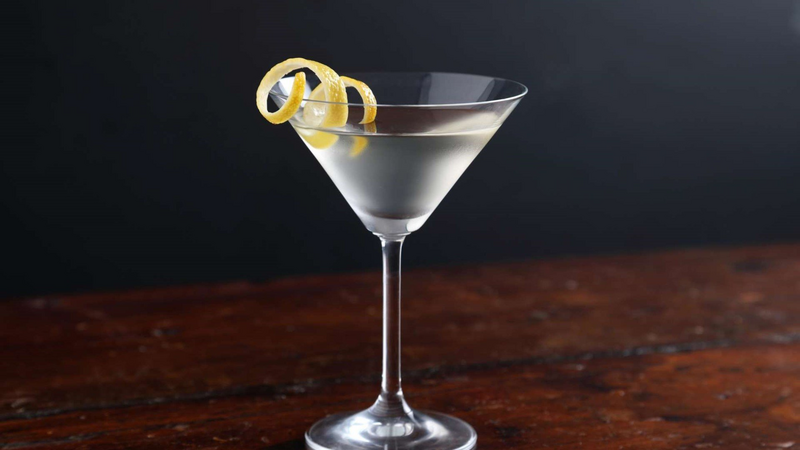
The Dry Martini is the pinnacle of classic cocktails, embodying elegance and simplicity with its crisp, spirit-forward profile. Traditionally made with gin and a hint of dry vermouth, it is stirred over ice and served in a chilled martini glass. The drink’s clarity and smoothness are enhanced by its signature garnish—either a lemon twist for brightness or an olive for a touch of briny depth. The exact gin-to-vermouth ratio varies, with some preferring a wetter mix while others opt for an ultra-dry version with just a rinse of vermouth. Thought to have originated in the late 19th century, the Martini has remained a symbol of sophistication for over a century. Bond famously ordered his “shaken, not stirred,” but purists argue that stirring maintains the cocktail’s silky texture. Vodka is sometimes used as a substitute, creating a more neutral variation. No matter the preference, the Dry Martini remains a timeless icon of refined drinking.
Army & Navy
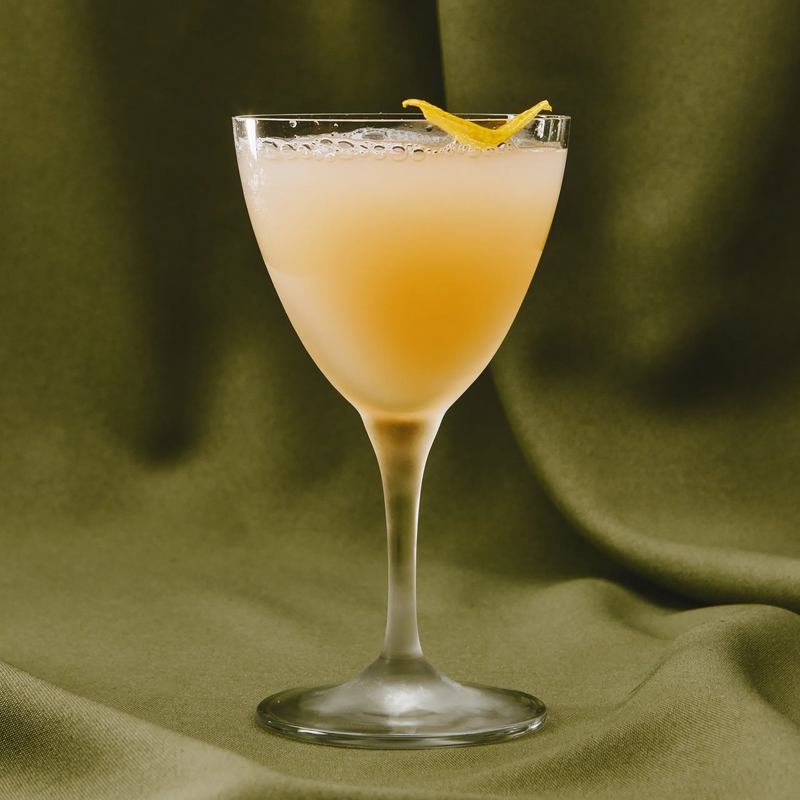
Nobody knows quite how this cocktail got its name. It's suggested it was created for The Army and Navy Club in Washington, D.C.
Last Word
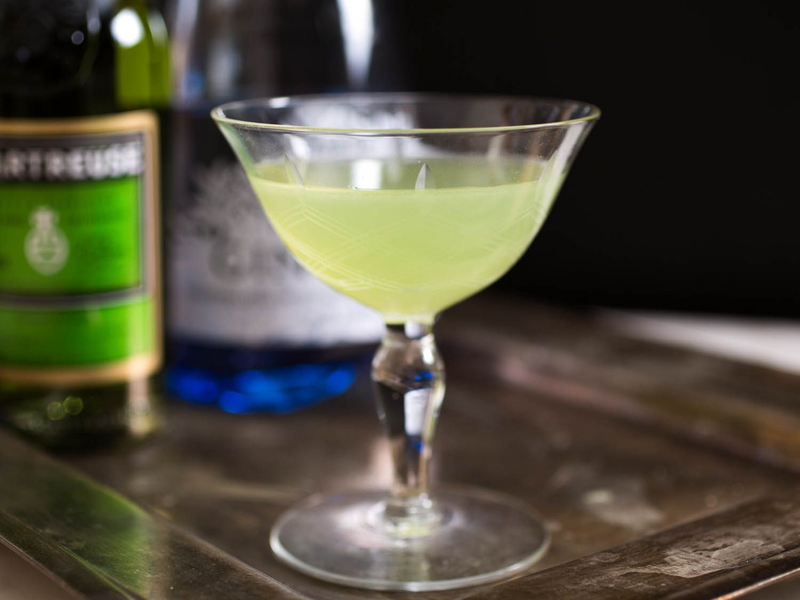
A gin-based cocktail created at the Detroit Athletic Club.
Negroni
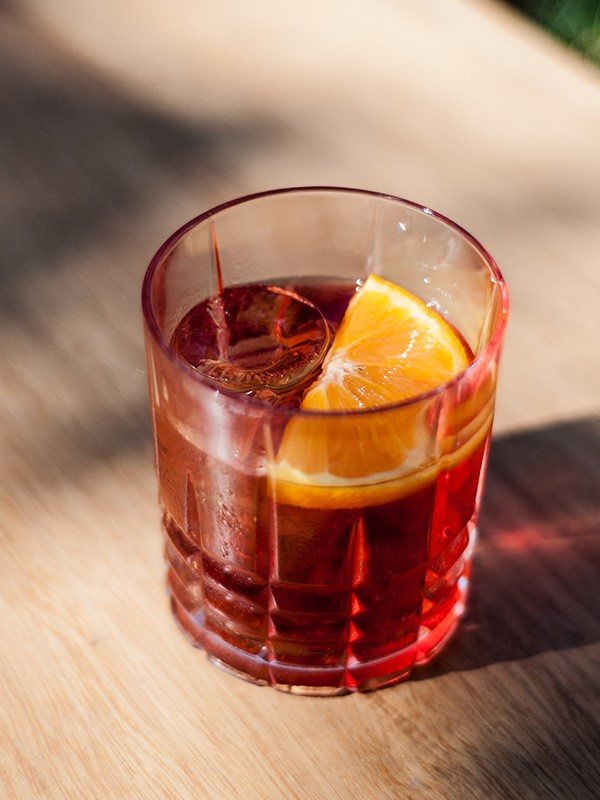
The Negroni is a bold, bittersweet Italian cocktail that perfectly balances gin, Campari, and sweet vermouth. Its origins trace back to early 20th-century Florence, where Count Camillo Negroni requested a stronger version of the Americano. Served over ice in a short glass and garnished with an orange peel, its striking red color and herbal complexity make it a visually and aromatically enticing drink. The Negroni’s flavor is rich and layered, with the juniper-forward gin cutting through the bitter Campari and the vermouth adding a touch of sweetness. This iconic cocktail has remained a favorite among bartenders and cocktail enthusiasts for its simplicity and depth. Its versatility allows for creative variations, including the Boulevardier (substituting bourbon for gin) and the White Negroni. Often considered an acquired taste, the Negroni rewards those who appreciate a balance of bitter, sweet, and botanical notes. Whether enjoyed as a sophisticated aperitif or a slow-sipping evening drink, it remains a timeless classic in the world of cocktails.