All Cocktails
Old Fashioned
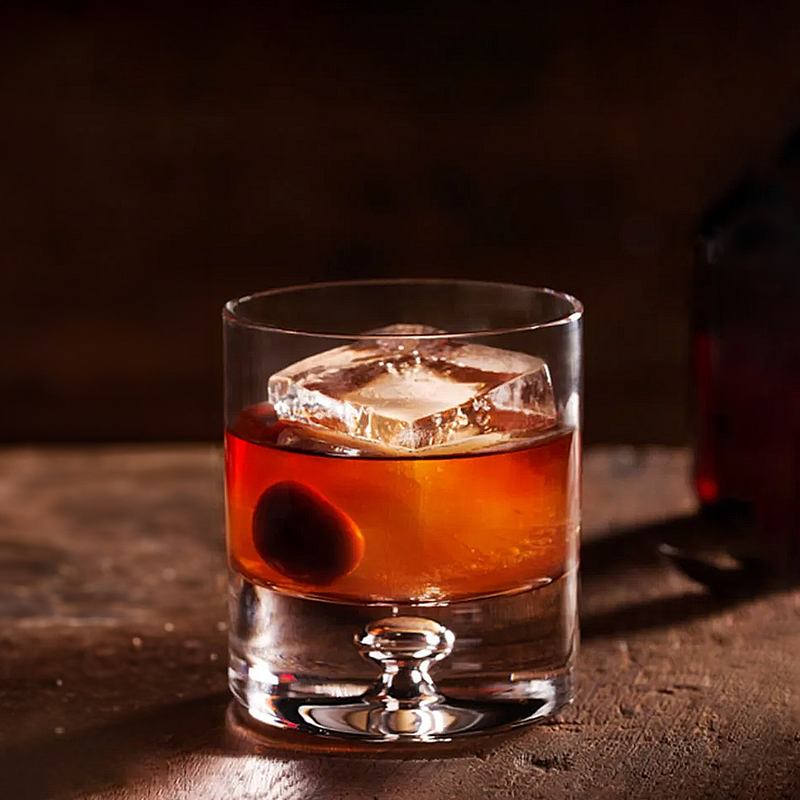
The Old Fashioned is a timeless whiskey cocktail that embodies simplicity, balance, and bold flavor. Traditionally made with bourbon or rye, it features a perfect blend of sugar, bitters, and a twist of citrus, enhancing the spirit’s natural depth. A dash of water or ice helps mellow the drink, while an orange peel and cherry garnish add aromatic complexity. Its origins trace back to the early 19th century, making it one of the oldest known cocktails. Unlike modern mixed drinks, the Old Fashioned highlights the quality of the base spirit rather than masking it. The drink is typically served in a short, heavy-bottomed glass, often called an "Old Fashioned" glass. Bartenders and enthusiasts debate the use of a muddled sugar cube versus simple syrup, but both methods create a smooth, slightly sweet profile. The bitters—usually Angostura—add a layer of spice and depth to the cocktail’s rich character. Whether enjoyed in a dimly lit speakeasy or crafted at home, the Old Fashioned remains a symbol of classic mixology. It’s a drink for those who appreciate the elegance of whiskey in its purest, most refined form.
Manhattan
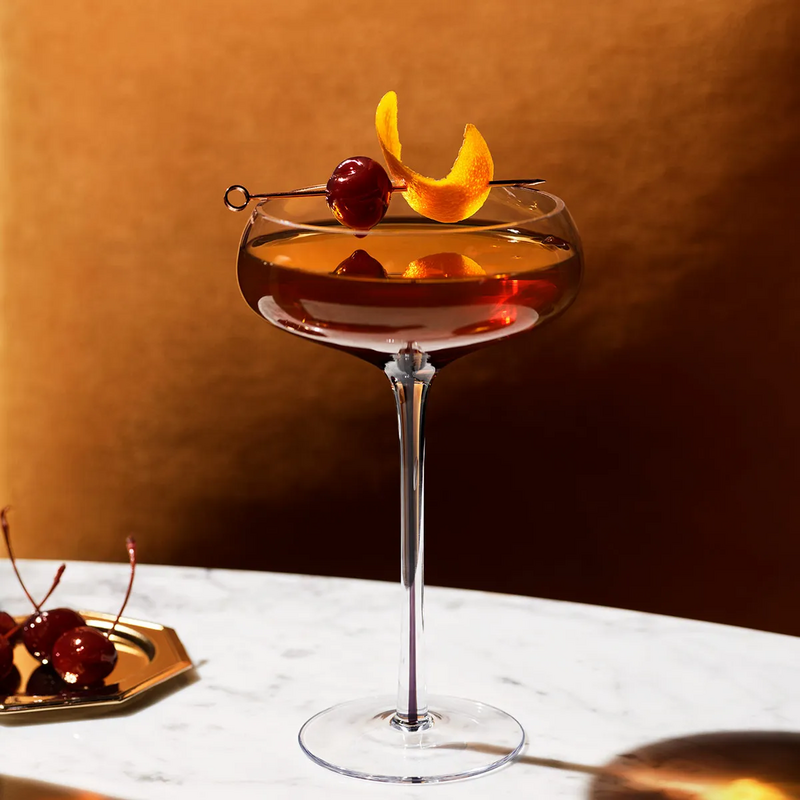
The Manhattan is a sophisticated whiskey cocktail that exudes elegance with its rich, smooth, and slightly bitter profile. Made with rye or bourbon, it’s expertly balanced with sweet vermouth and a few dashes of aromatic bitters. Stirred over ice and served in a chilled coupe or martini glass, it delivers a velvety texture and deep complexity. A Luxardo cherry garnish adds a hint of sweetness, complementing the drink’s bold flavors. Believed to have originated in the late 1800s at New York’s Manhattan Club, it remains a staple of classic cocktail culture. The choice of rye whiskey gives it a spicier, drier edge, while bourbon creates a softer, sweeter variation. Some variations, like the Perfect Manhattan, use both sweet and dry vermouth for added nuance. Timeless and refined, the Manhattan is the epitome of a well-crafted, spirit-forward cocktail.
Army & Navy
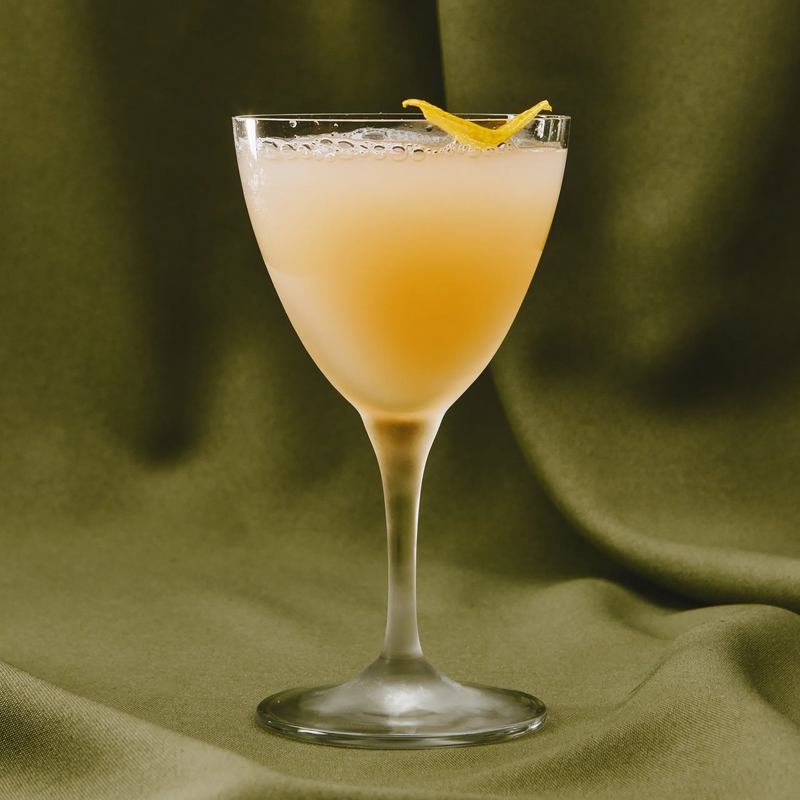
Nobody knows quite how this cocktail got its name. It's suggested it was created for The Army and Navy Club in Washington, D.C.